College Readiness

A Commitment to Excellence
College readiness is more than a checklist. It is a journey that requires growth in academics, personal skills, extracurricular involvement, and future planning. It is not just about meeting requirements, but about building the confidence, discipline, and vision needed to succeed beyond high school. Students who intentionally prepare themselves not only enter college with stronger applications, but also with the resilience and independence necessary to thrive once there. At AceIt College Prep, we believe in supporting the whole student, guiding them through each step of the process so that by the time they submit their applications, they are not only competitive candidates, but also prepared individuals ready to face the challenges of higher education and life.
Academic Excellence
A strong academic foundation is at the heart of college readiness. Students should approach their studies with discipline, curiosity, and a mindset that values growth as much as achievement. Earning strong grades in challenging courses—whether Honors, Advanced Placement (AP), International Baccalaureate (IB), or Dual Credit—demonstrates to colleges that students can handle rigorous academic work.
Reading and writing daily help strengthen comprehension, vocabulary, and analytical skills. Tools like Cornell Notes and digital planners (Trello, Notion) can support time management and organization. Most importantly, students should adopt a growth mindset—embracing challenges, asking questions, and learning from mistakes.
Resources:
Khan Academy – Free courses across subjects
Harvard LabXchange – STEM learning platform
Coursera – Free and paid online courses
EdX – University-level courses


Enrichment & Intellectual Curiosity
Colleges value students who actively pursue knowledge beyond the classroom. Participating in math/science Olympiads, writing contests, debate, robotics, or coding clubs demonstrates initiative and curiosity. Students can also expand their learning through documentaries, podcasts, and free online courses.
By visiting local libraries, registering with platforms like BigFuture, and exploring new ideas, students show colleges that they are lifelong learners. These enrichment activities highlight creativity, problem-solving, and self-motivation—qualities top universities seek.
Resources:
BigFuture by College Board – College search & planning
National Speech & Debate Association – Debate competitions
Science Olympiad – Science competitions
MathCounts – Math challenges
Personal Growth & Development
College readiness also means developing personal maturity and leadership. Students should reflect on their values and goals, practice public speaking, and take active roles in class discussions. Confidence can be built through debate, presentations, or youth leadership organizations.
Technology should be used wisely—AI tools can assist brainstorming and organizing ideas but should not replace original thought. Reflection through journaling, passion projects, or blogs helps students track growth and present authentic stories in essays and interviews.
Resources:
YouScience – Career/strengths assessment
Toastmasters Youth Leadership – Public speaking program
MindTools – Productivity & leadership resources


Extracurriculars with Purpose
Colleges prefer meaningful involvement over long lists of activities. Students should focus on 2–3 extracurriculars that align with their passions—whether in academics, arts, athletics, or service. Depth, consistency, and leadership matter more than quantity.
Volunteering for a cause consistently over several years demonstrates commitment and impact. Creating or leading a project, mentoring peers, or starting a club adds originality. These experiences tell colleges a powerful story of who the student is and what they value.
Resources:
Schoolhouse.world – Free tutoring & volunteering platform
VolunteerMatch – Find local service opportunities
National Honor Society (NHS) – Leadership and service program
Standardized Test Readiness
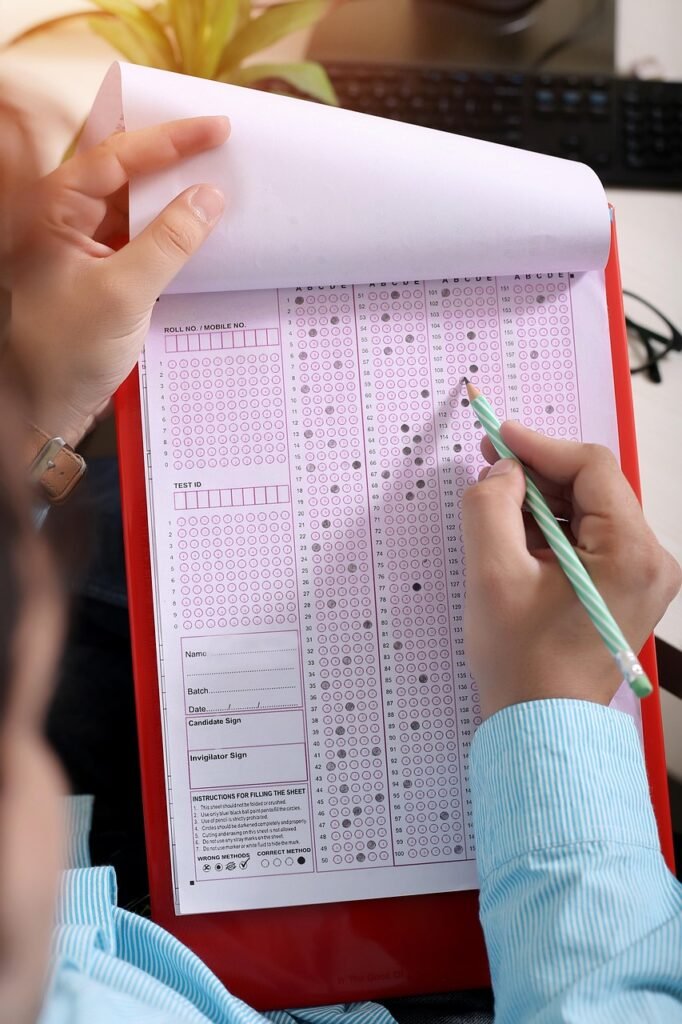
Although many schools are test-optional, SAT/ACT and AP exams remain valuable for scholarships and admissions. Students should start with the PSAT and use tools like Khan Academy to build a personalized study plan. Full-length practice exams and prep books build stamina and familiarity.
Students should also track test-optional policies at target schools, register early, and plan test dates strategically. Strong scores can boost applications and open doors to honors programs.
Resources:
College Board Bluebook – Official SAT practice app
Khan Academy SAT Prep – Free SAT practice linked to PSAT scores
ACT.org – ACT registration and resources
College Awareness & Exploration
Understanding the variety of colleges helps students make informed choices. They should explore school size, location, academic programs, and campus culture to find their best fit. Virtual tours, fairs, and info sessions are essential starting points.
Creating a balanced college list with reach, match, and safety schools helps reduce stress. Students should track deadlines, requirements, and impressions in a spreadsheet to stay organized.
Resources:
Financial Aid & Scholarships
Planning for affordability is critical. Students and families should start early with FAFSA and the CSS Profile, while also seeking scholarships throughout high school. Many micro-scholarships can be earned by tracking grades, extracurriculars, and community service.
Scholarship platforms and financial aid workshops can help students maximize opportunities. Families should compare financial aid packages carefully and ask questions about grants, loans, and work-study options before committing.
Resources:
FAFSA – Federal student aid application
CSS Profile – Private college financial aid
Fastweb – Scholarship search
Going Merry – Scholarship & FAFSA platform
RaiseMe – Earn micro-scholarships from colleges


Summer Planning & Opportunities
Summer is a chance to grow beyond the classroom. Students should use it to read widely, attend pre-college programs, pursue internships, or volunteer consistently. Even part-time jobs build responsibility and real-world skills.
Pre-college programs at selective universities can provide a taste of college life while strengthening applications. Research opportunities, leadership camps, and community projects also help students explore career interests and demonstrate initiative.
Resources:
Johns Hopkins CTY – Center for Talented Youth
VolunteerMatch – Service opportunities
Mental Health & Balance
While academics and extracurriculars are important, students must also protect their well-being. Stress management, healthy routines, and balance are essential for long-term success. Adequate sleep, exercise, and supportive friendships build resilience.
Colleges want students who are not only academically strong but also emotionally prepared for independence. Building coping skills, practicing mindfulness, and knowing when to ask for help are essential life skills that carry into adulthood.
Resources: